Resin Bound
Resin bound and resin bonded: the difference homeowners need to know
Resin bound and resin bonded are different systems. Learn what to check when comparing appearance, construction and drainage.
Archive: 14 July 2026 · Published:
The similar names describe different processes
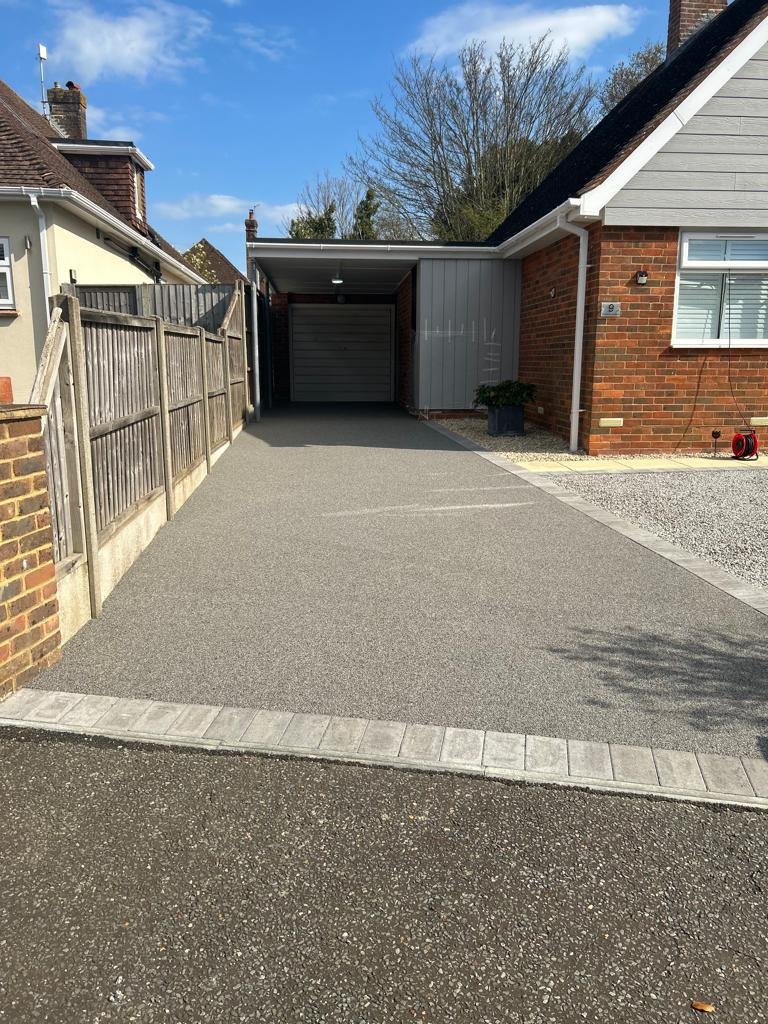
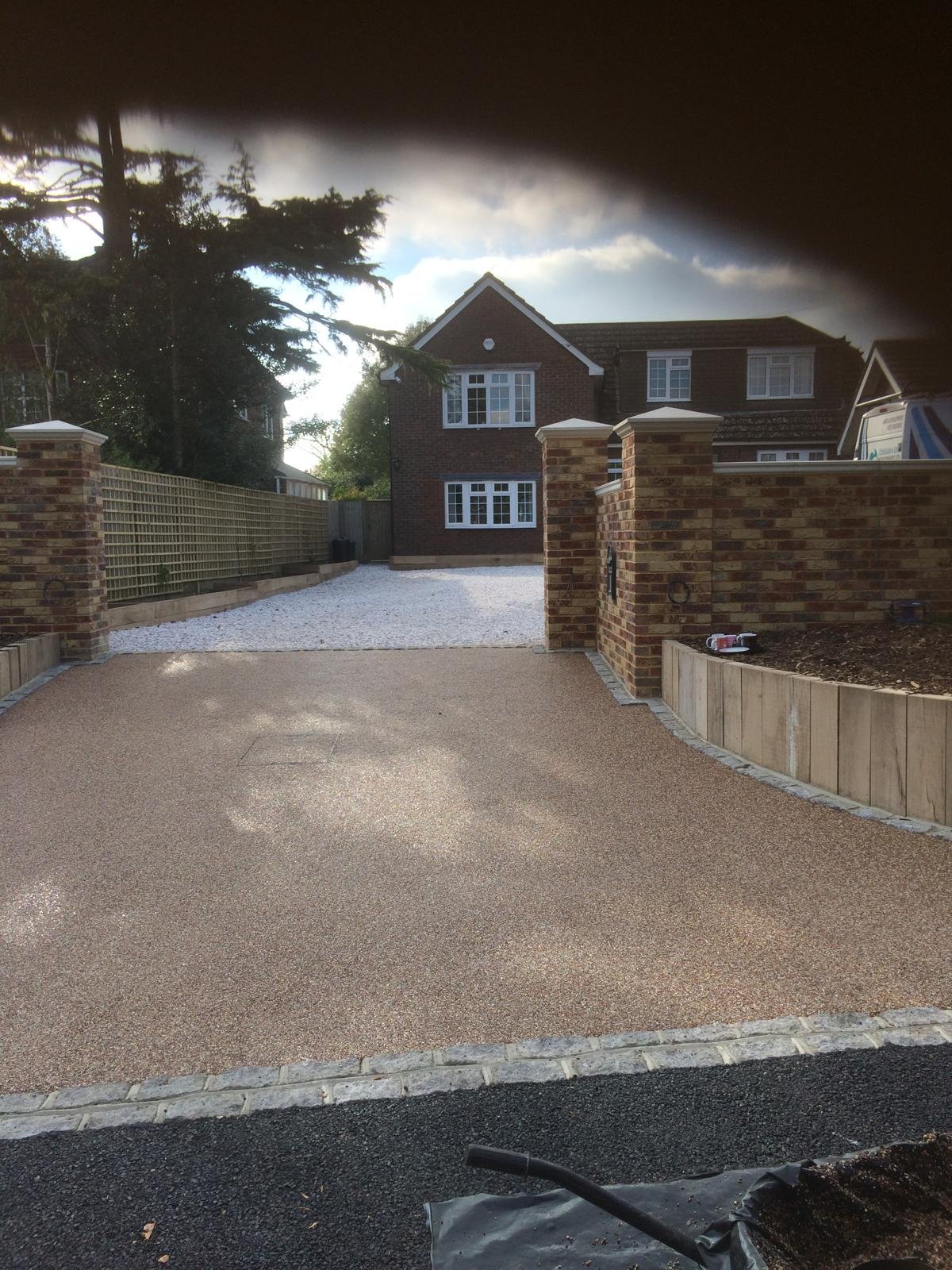
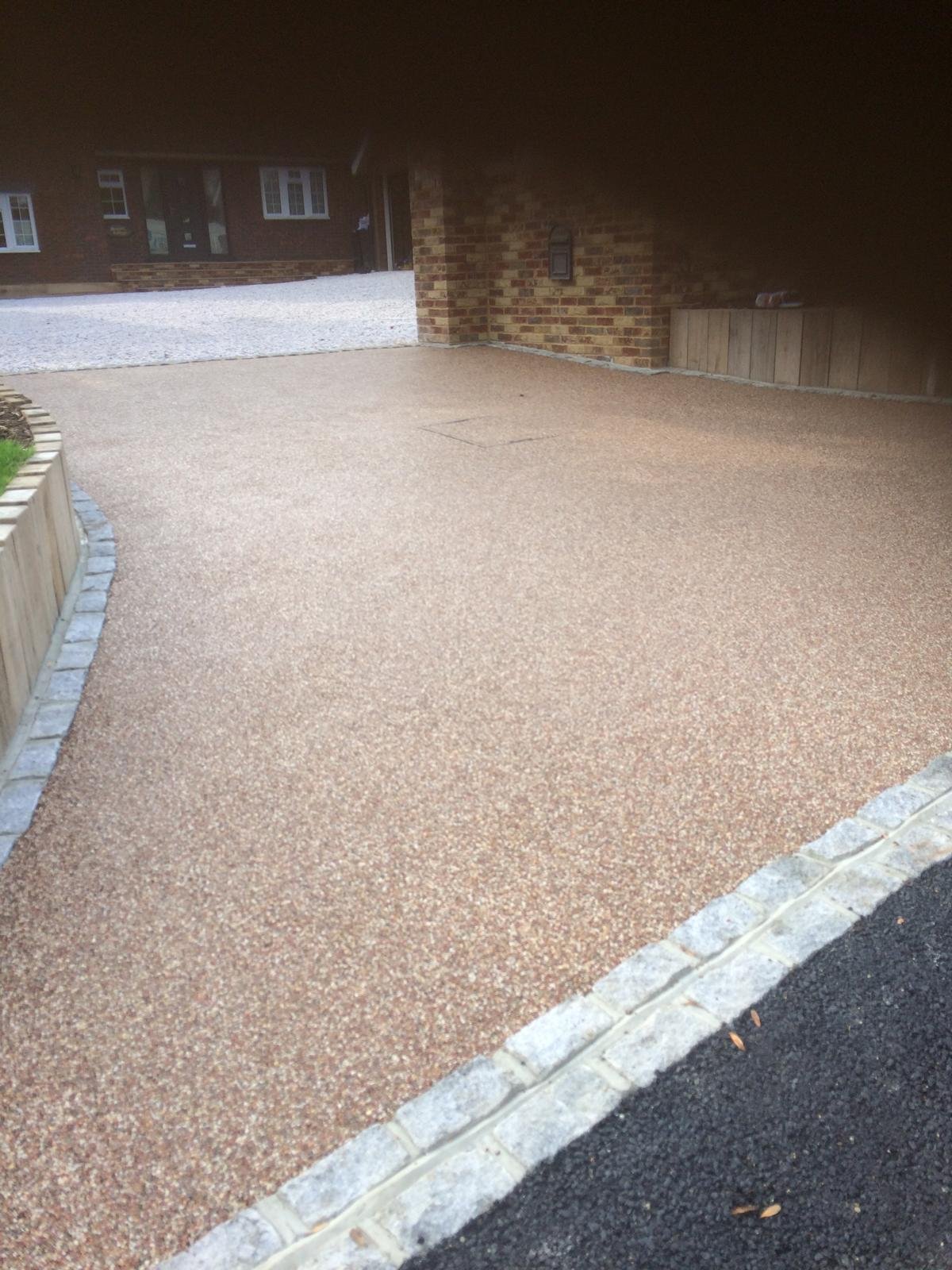
With resin bound surfacing, aggregate and resin are mixed before being laid as a combined material. Resin bonded systems generally scatter aggregate onto a resin-coated base. That difference affects the surface texture and the way the system is specified. Ask which product is being proposed rather than accepting a quotation that simply says “resin”.
Do not infer drainage from the name alone
A resin bound finish can be part of a permeable construction, but permeability depends on the whole installation. Resin bonded is not a substitute for a specified permeable resin bound system. Ask about the base, resin, aggregate grading and drainage route, and request care instructions for the actual product. For front gardens, the Planning Portal explains when permeable surfacing or drainage to a permeable area can avoid the usual hardstanding permission requirement; property-specific restrictions can still apply.
Your project checklist
- Make sure the quote identifies bound or bonded.
- Ask for a physical sample of the proposed finish.
- Confirm the proposed base and water-management design.
Are these just two names for the same surface?
No. They are different construction methods and should not be treated as interchangeable in a specification.
Further reading
General homeowner guidance, not a site-specific specification or planning decision. Check current authority and manufacturer requirements for your property and installed system.